Zig Zag Puff Stitch Crochet Dishcloth: Free Easy Pattern
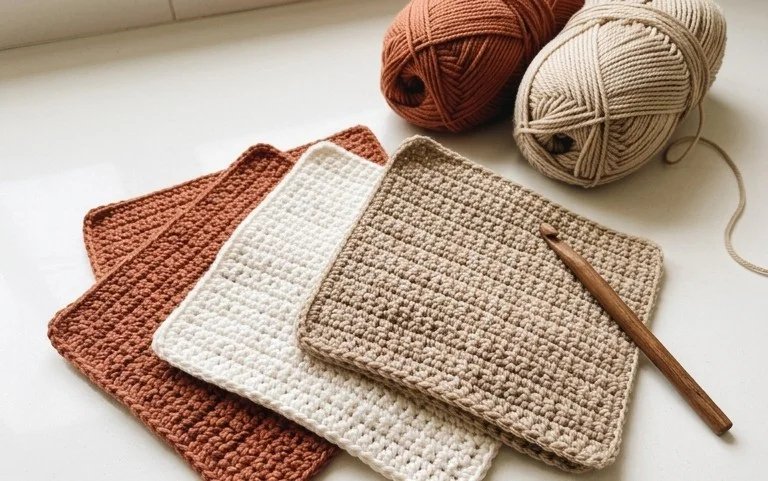
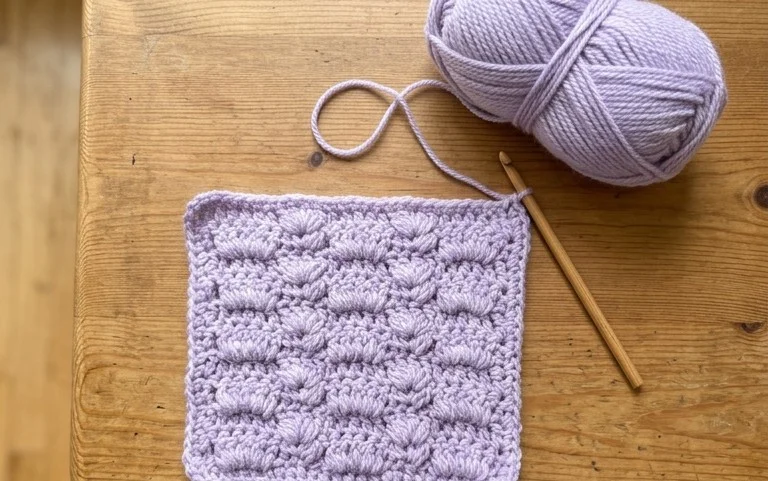
This textured dishcloth features a raised, diagonal pattern that feels soft under your fingers yet manages to grip stubborn food residue on cast iron pans effectively. If you want a functional project that avoids the monotony of basic squares, this design offers a refreshing rhythm for your hands. It suits beginners who feel comfortable with basic chain and single crochet foundations but want to move toward something with more character. You will master the unique movement required to form each individual puff, creating a fabric that sits comfortably in your palm. Making this item provides a rhythmic, meditative hour of crafting.
Why You’ll Love This Pattern
This classic crochet dishcloth is designed with a durable, non-stretchy stitch pattern that excels at scrubbing dishes. The density of the thermal stitch provides a thick, double-layered fabric that holds plenty of soapy water, making it far more effective than loose, airy designs. Because it uses a simple four-row repeat, you can easily memorize the sequence while watching television or listening to an audiobook. The rectangular shape fits comfortably in your hand, providing a firm grip for cleaning tough corners on pots and pans.
I finally found a pattern that doesn’t feel flimsy after a week of use. It holds its shape perfectly even after multiple cycles in the washing machine.
— Sarah, home crafter
Pattern Overview & Skill Level
- Skill Level: Beginner
- Approximate Time: 1 hour
- Construction: Flat panel worked in rows
- Finished Dimensions: 7 inches by 9 inches
Materials & Supplies Needed
- Yarn: Worsted weight #4, 100% cotton yarn, approximately 80 yards. Cotton is the only suitable fiber for this project due to its absorbency and heat resistance.
- Hook Size: 5.0 mm (H-8) crochet hook.
- Notions: Tapestry needle for weaving in ends, scissors.
- Yarn Substitutions: Avoid acrylic or polyester yarns, as they are not absorbent and may melt if they contact a hot surface. If you use a cotton-blend yarn, ensure it is at least 90% cotton to maintain the scrubbing texture.
Stitch Guide & Abbreviations (US Terms)
- ch = chain
- st = stitch
- sc = single crochet
- BLO = back loop only
- sl st = slip stitch
- Thermal Stitch: This technique involves working into the back loop of the current row and the remaining front loop of the row below simultaneously, creating a thick, two-layered fabric.
Step-by-Step Pattern Instructions
Foundation and Setup
Start by creating your base chain. The thermal stitch requires an odd number of stitches to maintain the pattern shift.
Foundation: Ch 31.
Row 1: Sc in the second ch from the hook and in every ch across. (30 sts)
Row 2: Ch 1, turn. Sc in BLO of every st across. (30 sts)
Main Body
Now you will begin the thermal stitch sequence. This creates the signature dense texture of the dishcloth.
Row 3: Ch 1, turn. Insert hook into the BLO of the first st and the exposed front loop of the st from Row 1 directly below it. Yarn over and pull through both loops, complete a sc. Repeat this for every stitch across the row. (30 sts)
Row 4: Ch 1, turn. Insert hook into the BLO of the first st and the exposed front loop of the stitch from the row below (Row 2). Yarn over and pull through both, complete a sc. Repeat this for every st across. (30 sts)
Rows 5–40: Repeat Row 4 until the piece measures 9 inches in length. (30 sts)
Finishing
Fasten off your yarn, leaving a 6-inch tail. Use your tapestry needle to weave the end securely into the stitches on the back side of the cloth. Trim the excess yarn close to the fabric.
Care & Washing Instructions
- Machine wash on a hot cycle to sanitize the cotton fibers.
- Tumble dry on low heat or lay flat in a well-ventilated area to prevent mildew.
- Reshape the dishcloth while damp if it loses its rectangular form during the spin cycle.
Pro Tips & Common Mistakes to Avoid
- Maintain consistent tension. If your stitches are too tight, the fabric will become rigid and difficult to fold; if too loose, the dense structure of the thermal stitch will fail to form properly.
- Use a stitch marker on the first stitch of every row to ensure you do not accidentally skip the final stitch of the round, which would cause the edges to slant.
- Weave your ends in diagonally across the back loops of the finished rows rather than straight across; this keeps the tail hidden within the thick layers of the fabric.
- To adjust the width, add or subtract stitches in multiples of two. Note that increasing the size will increase the total yardage required, so have a second skein of yarn ready if you choose to make a larger version.
Frequently Asked Questions
Can I use a different yarn weight for this pattern?
Using a different yarn weight will significantly alter the density of the dishcloth. If you use a thinner weight, the cloth will be flimsy; if you use a thicker weight, the cloth may become too bulky to hold comfortably. Stick to worsted weight cotton for the best results.
How do I know if I am inserting the hook into the correct loops?
The thermal stitch can be tricky for the first few rows. Look at the side of your work. You are looking for the horizontal bar that remains unworked from the previous row. If you are inserting your hook through two loops that look like a V, you are likely in the right place.
Is this project suitable for a complete beginner?
Yes, though it requires attention to detail regarding where to insert the hook. If you know how to perform a basic single crochet and understand how to identify the back loop, you will be successful with this pattern.
Am I allowed to sell the dishcloths I make from this pattern?
You may sell finished items made from this pattern as long as you credit the designer. Please do not redistribute the pattern text or photos, as these remain the intellectual property of the creator.
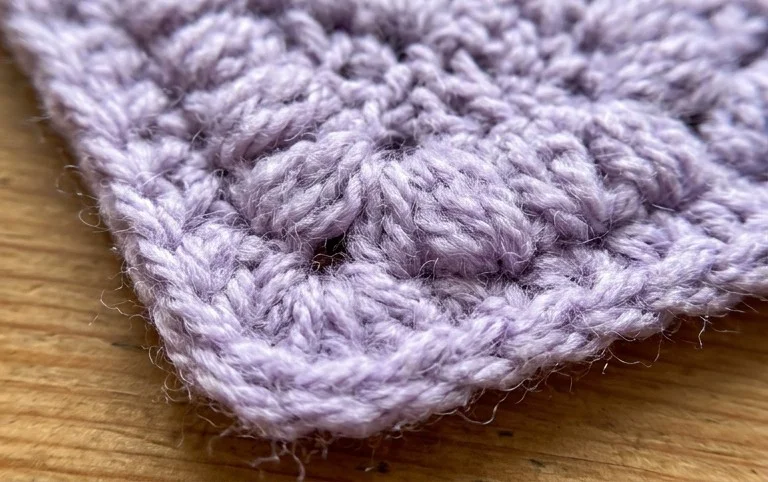
Your finished dishcloth now provides a dense, reliable scrub for your kitchen counters or daily dishwashing needs. Try swapping the solid cotton for a variegated yarn to highlight the peaks of every puff stitch in your next batch of three or four. Seeing your completed work on Instagram or Facebook helps other makers find their own inspiration for this useful project. You can find several other free patterns for everyday home goods by browsing the archive links on the sidebar of this blog.