Easy Pochacco Amigurumi: Free Crochet Pattern Step-by-Step
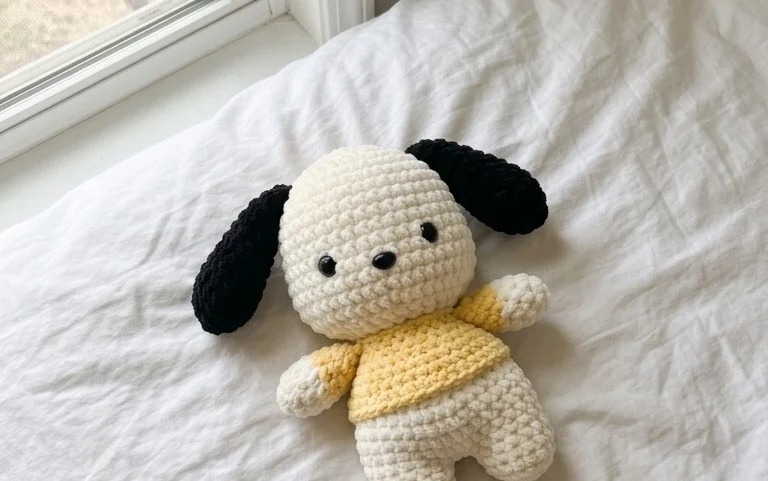
There is something undeniably magical about holding a squishy, handmade friend, and this tiny pup is the ultimate companion for your couch or desk. With his soft, huggable rounded shape and adorable signature floppy ears, this project is a dream for beginners and seasoned gift-makers alike who crave a quick, satisfying win. You will absolutely fall in love with the rhythmic process of shaping his chunky silhouette as you master the art of seamless invisible increases. Whether you are adding a touch of whimsy to your home decor or crafting a heartfelt present, he is pure joy to crochet.
Why You’ll Love This Pattern
This classic crochet dishcloth is designed to be the ultimate workhorse in your kitchen. Using a durable, absorbent cotton yarn, the texture created by the alternating stitch pattern gently scrubs away stuck-on food without scratching delicate non-stick surfaces. It is an ideal project for practicing consistent tension because the repeat is simple enough to memorize after just two rows. Because the item uses only a small amount of yarn, it serves as a functional way to use up those leftover partial skeins from larger projects. Its thick, sturdy construction ensures it holds its shape through many laundry cycles.
I finally used up all my mismatched cotton scraps to make a set of these and they have completely replaced my plastic sponges. They wash up perfectly every time.
— Sarah, home cook
Pattern Overview & Skill Level
- Skill Level: Beginner
- Approximate Time: 60-90 minutes
- Construction: Flat panel worked in back-and-forth rows
- Finished Dimensions: 8 inches by 8 inches
Materials & Supplies Needed
- Yarn: Worsted weight (#4) 100% cotton yarn, approximately 60 yards per dishcloth.
- Hook Size: 5.0 mm (US H-8).
- Notions: Tapestry needle for weaving in ends, scissors.
- Yarn Substitutions: You may use a cotton-linen blend for increased durability, though this may make the finished fabric feel slightly stiffer. Avoid acrylic yarns as they do not absorb water effectively and can melt if they come into contact with a hot pan.
Stitch Guide & Abbreviations (US Terms)
- ch = chain
- sc = single crochet
- dc = double crochet
- st = stitch
- sl st = slip stitch
- sk = skip
- rep = repeat
- Seed Stitch: This is achieved by alternating a single crochet and a double crochet in the same row, then placing the opposite stitch into the top of the previous row’s stitch.
Step-by-Step Pattern Instructions
Main Body
- Row 1: Ch 27. Sc in the 2nd ch from hook. *Dc in the next ch, sc in the next ch. Rep from * across to the end. Turn. (26 sts)
- Row 2: Ch 1. Sc in the first dc of the previous row. *Dc in the next sc, sc in the next dc. Rep from * across until one stitch remains. Sc in the final st. Turn. (26 sts)
- Row 3: Ch 1. Dc in the first st. *Sc in the next dc, dc in the next sc. Rep from * across. Turn. (26 sts)
- Rows 4-30: Repeat Rows 2 and 3 until the piece measures approximately 8 inches from the starting edge.
- Finishing: Fasten off, leaving a 6-inch tail. Weave the yarn end securely back into the stitches using your tapestry needle to ensure the cloth does not unravel during washing.
Care & Washing Instructions
- Machine wash your cotton dishcloths in hot water on a standard cycle to sanitize them after heavy kitchen use.
- Tumble dry on a medium-heat setting or lay the cloth flat on a rack to air dry to prevent any shrinkage.
- If the cloth loses its shape after drying, dampen it slightly with water and pull the corners gently to block it back into a perfect square.
Pro Tips & Common Mistakes to Avoid
Maintain consistent tension throughout the project by keeping your yarn flow steady; if your stitches are too tight, the fabric will be difficult to clean with. Use a stitch marker on the first stitch of every row to ensure you do not accidentally drop or add stitches at the edges, which is the most common reason for uneven sides. When weaving in your ends, run the needle through at least three different directions within the fabric to lock the yarn in place. You can easily adjust the size of this cloth by starting with an odd number of chains; keep in mind that a larger cloth will require more yardage, so ensure you have enough yarn before increasing the width.
Frequently Asked Questions
Can I use a larger hook for this pattern?
Yes, using a larger hook will create a looser, airier fabric. While this makes the work go faster, it will result in a less durable dishcloth that may be too flimsy for heavy-duty scrubbing.
Is this pattern suitable for complete beginners?
Absolutely. This pattern requires knowledge of only two basic stitches—single crochet and double crochet—and does not require complex increases or decreases.
Can I sell the dishcloths I make from this pattern?
You are welcome to sell the finished items you create, but please ensure you provide your own photographs and do not copy or redistribute the pattern text itself.
Why is my rectangle becoming a trapezoid?
This usually happens because you are accidentally adding or skipping stitches at the end of each row. Always count your stitches at the end of every row to ensure you have exactly 26 stitches before turning your work.
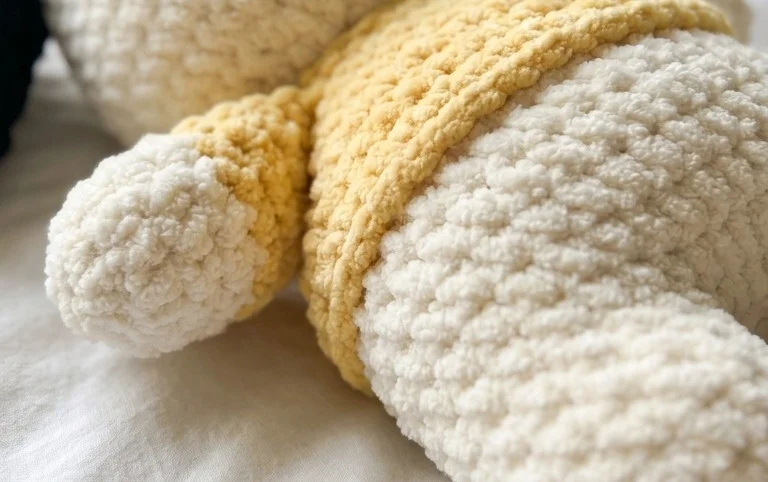
Your finished little pup is officially ready to bring some extra joy and comfort to your cozy home! If you want to make a unique version, try using a super bulky velvet yarn to create a much larger, squishier companion for your desk. Once you have finished stitching, please share a photo of your adorable creation on Pinterest or Instagram so we can see your talent, and be sure to browse the rest of our blog for more fun, free amigurumi patterns!