Easy Jelly Snowflake Mystery Quilt Crochet Pattern
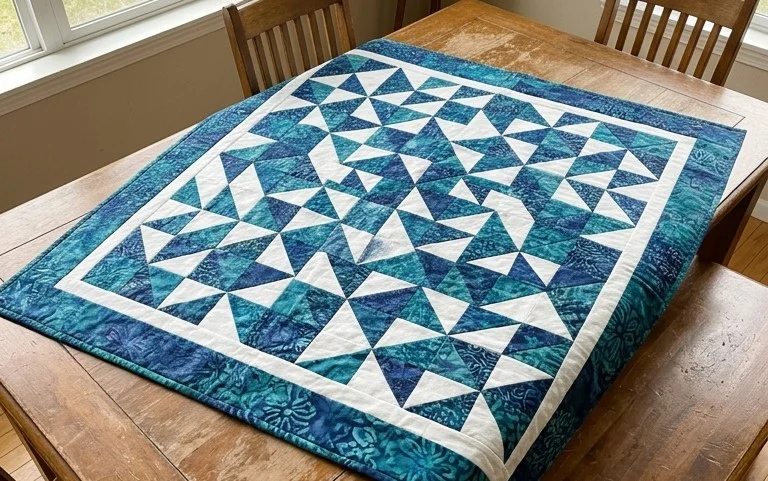
Soft crochet squares with snowflake details come together in the Jelly Snowflake Mystery Quilt, making a cozy piece with a clear block-by-block rhythm. The finished quilt brings a mix of color and winter texture to a sofa, bed, or favorite reading chair. Beginners can take their time with each motif, while experienced makers can enjoy seeing the design grow as the blocks are joined. It also makes a thoughtful handmade gift for someone who loves seasonal home decor. In this pattern, you’ll learn how the pieces fit together and how to join the blocks neatly so the edges sit evenly. A little attention to matching corners and keeping your tension steady helps the whole quilt lie flat.
Why You’ll Love This Pattern
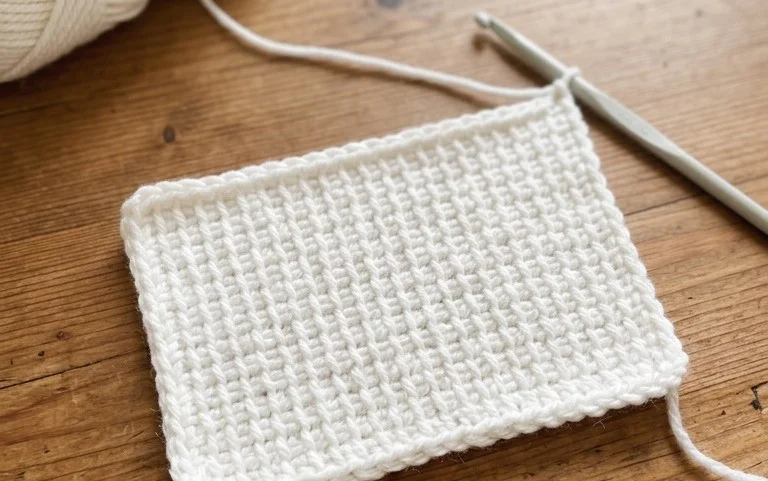
A firm cotton fabric and a simple single-crochet stitch make this dishcloth useful for everyday washing and wiping. The square is worked flat in rows, so there are no rounds to join and no shaping to keep track of. It is a practical first project for learning to make even edges and count stitches.
One cloth takes about 80 to 100 yards of worsted cotton, which makes this a good project for a leftover ball. The plain texture also gives the fabric enough body to scrub dishes without leaving large gaps. Make a small stack for your kitchen or as a useful handmade gift.
The rows were easy to follow, and counting the stitches helped me keep the sides straight. I made mine in cotton from my stash, and it feels sturdy after washing.
— Sample maker, beginner crocheter
Pattern Overview & Skill Level
- Skill Level: Beginner. You need to know how to chain and single crochet.
- Approximate Time: 2 to 3 hours, depending on your pace and how often you stop to check your stitch count.
- Construction: A flat square worked back and forth in single crochet rows, then finished by weaving in the yarn ends. There is no border or seam.
- Finished Dimensions & Sizing: About 8 x 8 in (20 x 20 cm) when worked to gauge. Small differences in cotton yarn and tension can change the final size.
Gauge: 13 single crochet stitches and 14 rows measure about 4 in (10 cm) in the stitch pattern. Gauge is a useful guide for getting a cloth close to the stated size. For a dishcloth, a small difference is fine as long as the fabric feels comfortable to use.
Materials & Supplies Needed
- Yarn: About 80 to 100 yd (73 to 91 m) of worsted-weight cotton yarn, US #4. One solid color is enough; use a contrasting color only if you want to make a separate cloth.
- Hook: 5.0 mm / H-8 crochet hook. If your fabric feels stiff, try 5.5 mm; if it feels loose and holey, try 4.5 mm.
- Notions: Tapestry needle for weaving in ends, scissors, and a ruler or tape measure for checking gauge.
- Substitutions: A cotton-linen blend of similar thickness can work, though it may drape more and feel less springy. Choose a machine-washable yarn labeled for kitchen use. Acrylic yarn is less absorbent than cotton, so it is not the closest substitute for dishwashing.
Stitch Guide & Abbreviations (US Terms)
- ch: Chain.
- sc: Single crochet. Insert the hook into the stitch, yarn over and pull up a loop, yarn over again, then draw through both loops on the hook.
- st / sts: Stitch / stitches.
- rep: Repeat.
- turn: Turn the work over to begin the next row.
The turning chain at the start of each row does not count as a stitch. Work the first single crochet into the first stitch of the row, not into the turning chain. This keeps both edges straight.
Step-by-Step Pattern Instructions
Dishcloth
- Foundation: Make a slip knot and ch 27. Keep the chain relaxed; a tight foundation chain can pull the lower edge inward.
- Row 1: Sc in the second ch from the hook and in each ch across. Turn. (26 sts)
- Row 2: Ch 1, sc in the first st and in each st across. Turn. (26 sts)
- Rows 3–28: Rep Row 2, checking that you have 26 sc at the end of every row. Turn after each row. (26 sts per row)
- Fasten off: After Row 28, cut the yarn, leaving a tail of about 6 in (15 cm). Pull the tail through the last loop to secure it.
- Finish: Thread each yarn tail onto a tapestry needle. Weave it through several stitches on the wrong side, change direction, and weave through a few more stitches before trimming. This helps keep the ends from working loose during washing.
Lay the cloth flat and measure it. If it is much longer or wider than 8 in (20 cm), compare your swatch with the gauge and adjust your hook size on the next cloth. The piece does not need to be perfectly square to work well.
Care & Washing Instructions
- Wash cotton dishcloths in a machine with warm water, up to about 40°C (104°F), or follow the temperature on the yarn label.
- Dry flat when practical, smoothing the corners and edges while the cloth is damp.
- Reshape the cloth by hand after washing; if the edges curl, pin it square and let it dry flat rather than stretching it hard.
Pro Tips & Common Mistakes to Avoid
- Keep tension even: Cotton has less stretch than many acrylic yarns. Relax your grip on the foundation chain and first row so the bottom edge does not become tighter than the rest of the cloth.
- Count each row: Check for 26 stitches before turning. If you miss the last stitch at the edge, the cloth will gradually narrow; if you work into the turning chain, it may widen.
- Hide ends securely: Weave each tail in more than one direction on the wrong side. A short, straight pass can come loose with repeated washing.
- Adjust the size thoughtfully: To make a wider cloth, add chains to the foundation, then add the same number of rows for a roughly square shape. A larger cloth uses more yarn; a smaller hook makes denser fabric and may also increase yarn use slightly.
Frequently Asked Questions
Can I use a different yarn weight?
Yes, but the finished cloth will change size and texture. A lighter yarn makes a smaller, thinner fabric, while a heavier yarn makes a larger, thicker one. Check the label for a suitable hook and make a small swatch before choosing your hook size.
How can I make the dishcloth smaller or larger?
For a smaller cloth, begin with fewer than 27 chains and work fewer rows. For a wider cloth, add chains in the foundation and work extra rows to keep the shape close to square. More stitches and rows mean more yarn, so keep extra cotton on hand.
Is this pattern suitable for a first crochet project?
Yes. It uses only chain and single crochet, with no increases, decreases, color changes, or joining. The main challenge is keeping 26 stitches in every row, so count the stitches at the edges as well as across the middle.
May I sell dishcloths made from this pattern?
Check the designer’s terms before selling finished items, and follow any credit or sales conditions they specify. If you sell handmade goods, describe the fiber accurately and give buyers the yarn label’s washing instructions.
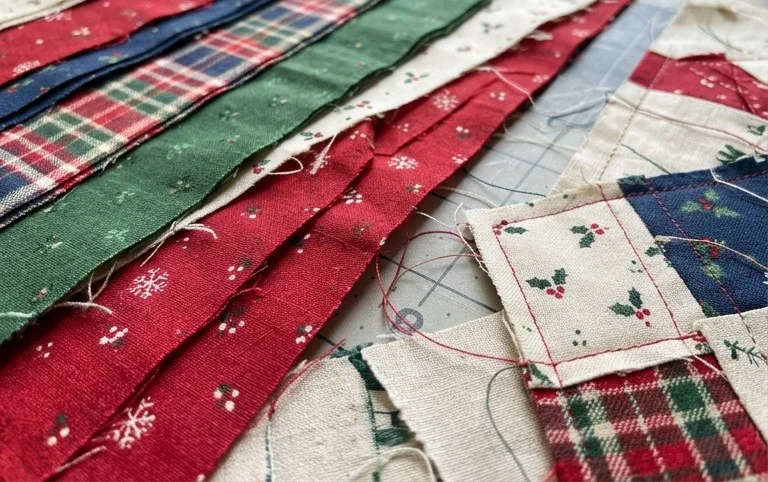
Seeing the snowflake blocks joined into a finished quilt is a satisfying payoff, with each square adding its own patch of color and winter texture. For a simple variation, choose a limited palette of two or three shades, or make the quilt smaller by using fewer blocks. Take a photo of your finished piece on the sofa or folded over a chair, then share it on Pinterest or your favorite social platform so other makers can see your version. If you enjoyed working through this project, explore the blog for more free crochet patterns, including smaller pieces that use leftover yarn.