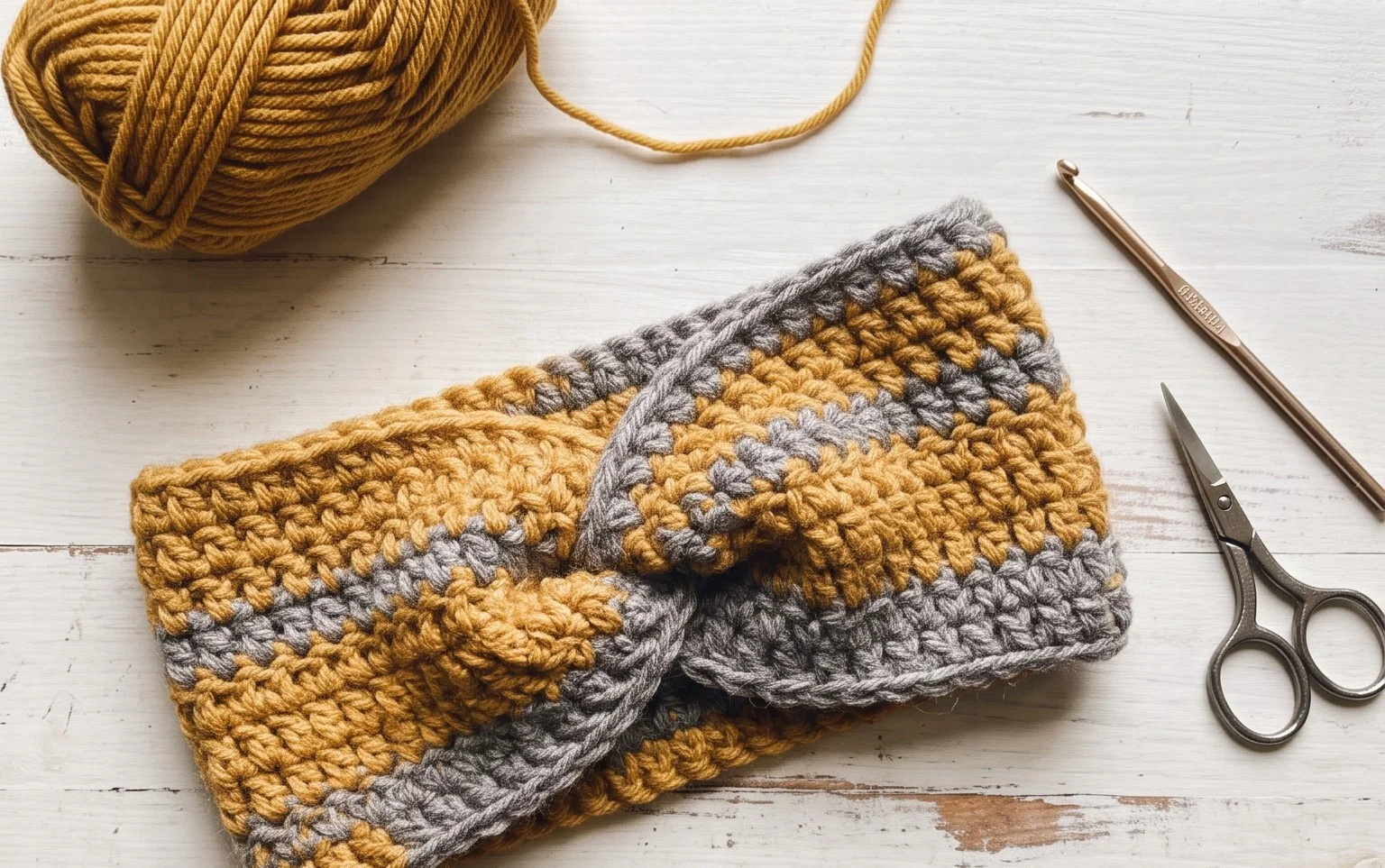
Easy Baby Turban Free Crochet Patterns for Beginners
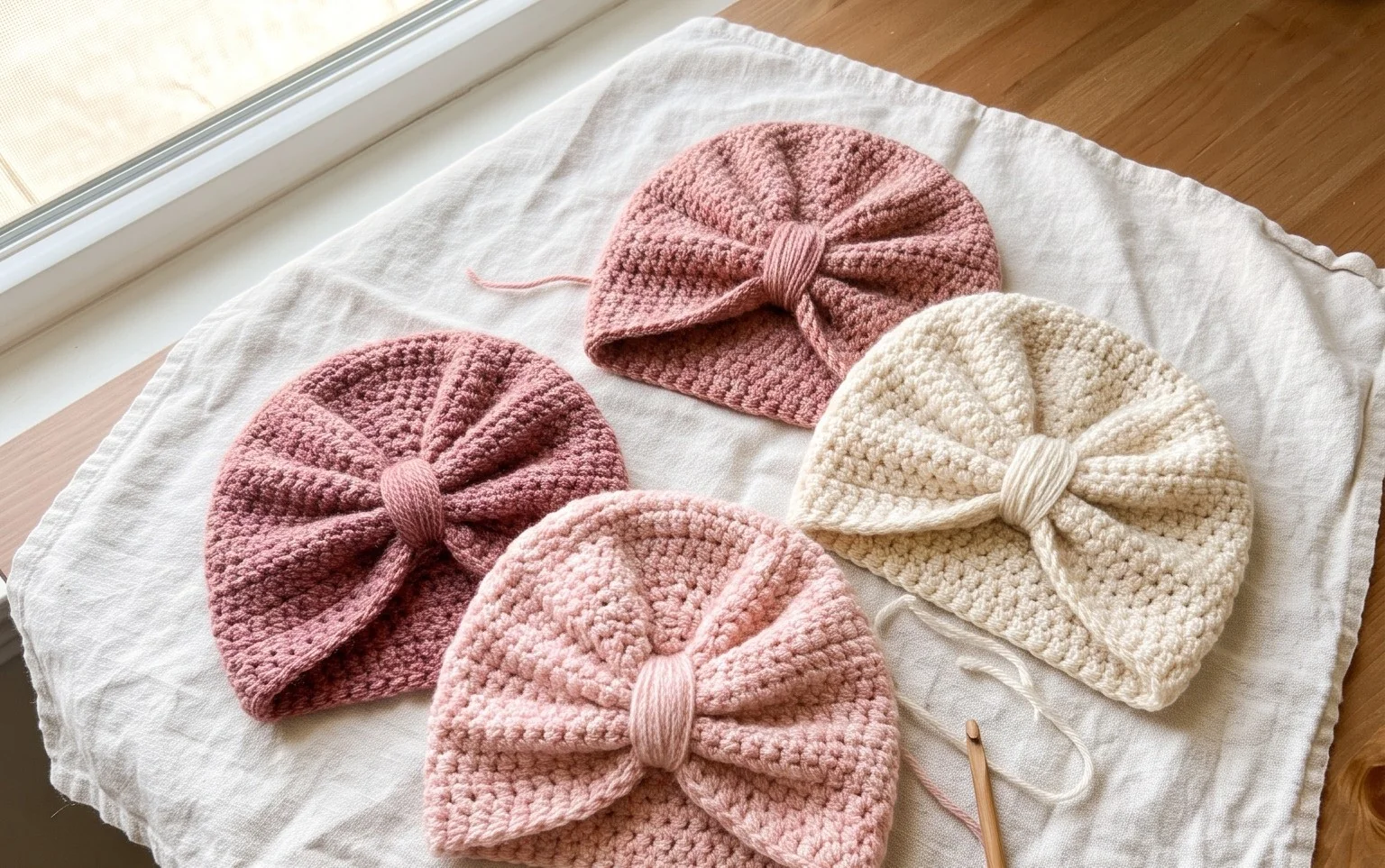
Soft yarn and a small gathered twist at the forehead give a baby turban its sweet, recognizable shape. These crochet designs make cozy headwear for little ones, with a snug band and a soft finish that suits everyday outings or a family photo. Beginners can practice steady stitches and simple shaping, while gift makers can choose a color that matches a baby blanket or nursery palette. If you enjoy handmade nursery accessories, a finished turban adds a useful, personal touch to a gift basket. This collection will help you compare styles, choose a baby-friendly yarn, and understand how stitches such as single crochet or half double crochet create a comfortable fit. Check the sizing and gauge for each pattern before you begin, since a stretchy fabric should sit securely without pressing tightly around a baby’s head.
A firm cotton stitch makes a dishcloth absorbent enough for daily kitchen use and sturdy enough to handle frequent washing. This beginner-friendly square uses single crochet throughout, so you can focus on even edges and consistent tension rather than learning a complicated stitch pattern.
Why You’ll Love This Pattern
This dishcloth is worked flat in one piece, with no shaping or seams to finish. The repeated single crochet rows are easy to keep track of, making the pattern a useful first project for practicing an even stitch height. Worsted cotton gives the finished cloth a textured surface that can scrub dishes without feeling overly bulky. It also uses a modest amount of yarn, so a partial skein may be enough.
Sample maker note: The rows were simple to count, and the cotton square came out flat after washing. I liked having a useful project that I could finish in an afternoon.
The steady rows made it easy to keep my edges straight, and the finished cloth feels sturdy in the sink.
— Maya, sample maker
Pattern Overview & Skill Level
- Skill Level: Beginner. You should know how to make a chain and single crochet.
- Approximate Time: 1.5 to 2 hours, depending on your pace and tension.
- Construction: One flat square worked in rows from the bottom edge upward. There is no joining or seaming.
- Finished Dimensions & Sizing: About 8 × 8 inches (20 × 20 cm), after washing and drying flat. The size assumes the gauge listed below.
Materials & Supplies Needed
- Yarn: About 50–65 yd (46–60 m) of worsted-weight (#4) 100% cotton yarn in one color. Cotton holds up well to washing and has a useful texture for a dishcloth.
- Hook Size: 5.0 mm / H-8 crochet hook. Use the hook that gives you the stated gauge; individual tension varies.
- Notions: Tapestry needle for weaving in the two yarn ends, scissors, and a ruler or tape measure. A stitch marker is optional but can help identify the first stitch in a row.
- Gauge: 15 single crochet stitches and 16 rows measure 4 inches (10 cm) in the pattern stitch. Make a small swatch and adjust your hook if needed. A tighter gauge makes a smaller, firmer cloth; a looser gauge makes it larger and more open.
- Substitutions: A similar-weight cotton or cotton-blend yarn can work. Linen or a cotton-linen blend may feel firmer, while acrylic can feel less absorbent and may not suit hot washing. A different yarn weight changes the cloth’s size and texture, so make a gauge swatch before starting.
Stitch Guide & Abbreviations (US Terms)
- ch = chain.
- sc = single crochet. Insert the hook into the stitch, yarn over and pull up a loop, yarn over again and pull through both loops on the hook.
- st = stitch; sts = stitches.
- turn = turn the work so you can crochet back across the row.
- Pattern stitch: Single crochet in every stitch across. The turning chain does not count as a stitch.
Step-by-Step Pattern Instructions
Use US crochet terms. The foundation chain and turning chains are not included in the stitch counts. Keep the same tension from the first row to the last so the sides stay even.
Dishcloth
- Foundation: Ch 31.
- Row 1: Sc in the second ch from the hook and in each ch across. Turn. (30 sts)
- Rows 2–32: Ch 1, sc in each st across. Turn. Repeat for every row through Row 32. (30 sts per row)
After Row 32, fasten off, leaving a tail long enough to weave in comfortably. Check that the piece measures about 8 inches square. If your cloth is a little larger or smaller, that is fine; the gauge and your personal tension affect the final measurements.
Finishing
Thread the yarn tail onto a tapestry needle. Weave it through the backs of several stitches, change direction once, and trim the remaining end close to the fabric. Repeat with the starting tail. Wash and dry the cloth according to the care guidance below, then lay it flat and smooth the corners into shape.
Care & Washing Instructions
- For 100% cotton, machine-wash warm, up to 40°C (104°F), or follow the yarn label if it gives a lower limit.
- Dry flat when possible; reshape the corners while the cloth is damp.
- If the rows look uneven after washing, gently block or reshape the cloth flat without pulling the edges out of square.
Pro Tips & Common Mistakes to Avoid
- Keep tension steady: Cotton has less stretch than many acrylic yarns. Avoid pulling each loop tight against the hook, or the fabric may become stiff and difficult to work into.
- Count the stitches: Check for 30 stitches at the end of each row. The turning chain does not count, and accidentally crocheting into it can add a stitch and make the edge widen. Place a marker in the first stitch of a row if you tend to miss it.
- Hide ends securely: Weave each tail through the backs of several stitches, then change direction before trimming. A short tail pushed through only one row can work loose with repeated washing.
- Adjust size with a plan: Add or remove foundation chains to change the width, then work more or fewer rows to match the new length. Each extra stitch and row uses more yarn; keep the foundation chain odd so the first single crochet can still go into the second chain from the hook.
Frequently Asked Questions
Can I use a different fiber instead of cotton?
Yes, but check the yarn label and consider how you will use the cloth. A cotton blend is a practical substitute. Acrylic can be less absorbent and may not tolerate the same washing temperature, so follow its care instructions.
How can I make the dishcloth larger or smaller?
Change the foundation chain to adjust the width, then add or remove rows to adjust the length. The finished measurements will also depend on your gauge. Larger cloths take more yarn, while a smaller hook can make the fabric denser and the dimensions smaller.
Is this pattern suitable for a first crochet project?
Yes, if you can chain and make single crochet stitches. Count the stitches after each row and watch the first and last stitch, since those are the spots where beginners often accidentally add or lose a stitch.
May I sell dishcloths made from this pattern?
Check the designer’s terms before selling finished items, and follow any restrictions they list. If you do sell the cloth, describe the fiber and care instructions accurately so buyers know how to wash it.
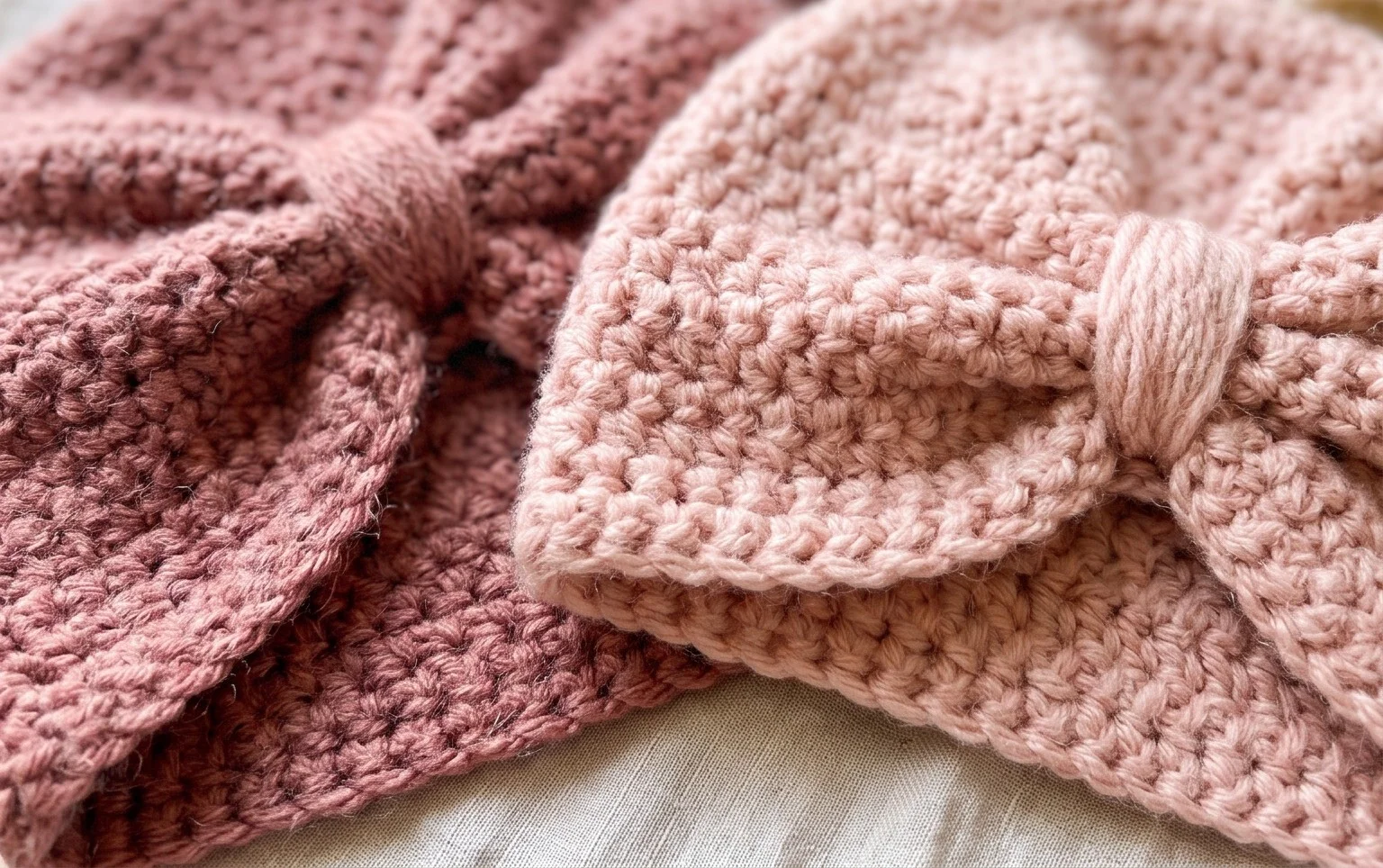
A finished baby turban is a small project with a clear, satisfying result: a soft band, a gathered front, and a handmade accessory ready for a little outing or a thoughtful gift. For a simple variation, choose a different solid color to suit the season or coordinate with a baby blanket. Check the finished measurements before gifting, and follow the yarn label’s washing instructions so the fabric keeps its shape. If you make one, share a photo on Pinterest or your favorite social media platform so other makers can see your color choice and finish. Then browse more free crochet patterns on the blog for your next small project.