Crochet Cat Scoodie: Easy Free Pattern for Cozy Days
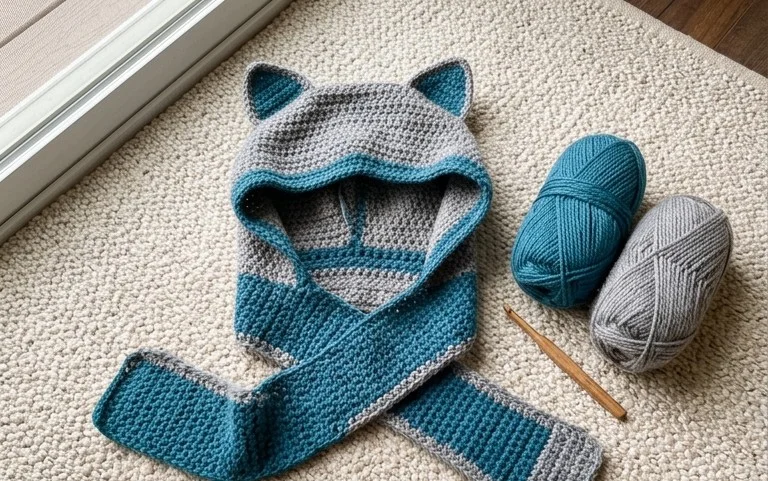
Soft yarn, a snug hood, and little cat ears give this scoodie its cozy, playful look. The long scarf ends wrap around the neck for extra warmth, while the hood adds a bit of personality on chilly walks or quiet afternoons at home. It suits beginners who are comfortable with basic crochet stitches, and it makes a thoughtful handmade gift for cat lovers, teens, or anyone who likes a whimsical layer. The project is satisfying to watch take shape: a few simple pieces come together into something warm and wearable. In this pattern, you’ll find guidance for the main crochet fabric, shaping the hood, and adding the ears, along with ideas for choosing yarn and adjusting the look to suit its future wearer.
Why You’ll Love This Pattern
A firm cotton fabric and simple single crochet stitches make this dishcloth useful for everyday washing and wiping. The pattern is worked flat in straight rows, so you can practice consistent tension without keeping track of shaping or joining rounds.
The cloth uses about 75 yards of worsted-weight cotton, making it a good choice for a leftover ball that is too small for a larger project. It is also easy to finish in one sitting, and the finished square makes a practical handmade gift for a housewarming or kitchen basket.
The rows were easy to keep straight, and the cotton made a cloth that feels sturdy in my hand. I finished it in an evening and have already started another.
— Jamie, first-time dishcloth maker
Pattern Overview & Skill Level
- Skill Level: Beginner. You need to know how to chain and single crochet.
- Approximate Time: 1.5 to 2.5 hours, depending on your pace and tension.
- Construction: The dishcloth is worked flat in rows from the bottom edge upward. Each row has the same number of stitches, with no seaming or edging required.
- Finished Dimensions & Sizing: About 7 × 7 inches (18 × 18 cm), using the stated yarn, hook, and gauge. Small differences in tension will change the finished measurements.
Materials & Supplies Needed
- Yarn: About 75 yards (69 m) of worsted-weight #4, 100% cotton yarn in one color. Cotton absorbs water and tolerates regular washing. The estimate includes a little extra for the starting tail and weaving in the end.
- Hook Size: 5.0 mm / H-8 crochet hook. Change hook size if needed to meet gauge, rather than changing the stitch count.
- Notions: Tapestry needle for the yarn ends, scissors, and a ruler or tape measure. A stitch marker is optional for marking the first or last stitch.
- Substitutions: A cotton-linen blend or a cotton-acrylic blend can be used, but the cloth may feel softer, less absorbent, or slightly different in size. Choose a yarn labeled worsted weight and check gauge before continuing. Avoid fuzzy yarn because it can make stitches harder to see and the fabric less useful for scrubbing.
Gauge: 18 single crochet stitches and 20 rows measure 4 × 4 inches (10 × 10 cm) in unblocked fabric. Make a small swatch if you want the finished cloth close to 7 inches square. If your swatch is wider than 4 inches, try a smaller hook; if it is narrower, try a larger hook.
Stitch Guide & Abbreviations (US Terms)
- ch = chain.
- sc = single crochet: insert hook in the stitch, yarn over and pull up a loop, yarn over and pull through both loops.
- st = stitch; sts = stitches.
- tch = turning chain. In this pattern, ch 1 at the start of a row does not count as a stitch.
- rep = repeat.
Work under both top loops of each stitch unless an instruction says otherwise. The turning chain is for height only, so do not work into it on the next row.
Step-by-Step Pattern Instructions
Dishcloth
-
Foundation: Make a slip knot and ch 33. Keep the chain relaxed; a tight foundation chain can pull the bottom edge inward.
-
Row 1: Sc in the second ch from the hook and in each ch across. The skipped chain does not count as a stitch. (32 sts)
-
Rows 2–35: Ch 1 and turn. Sc in each st across, including the final stitch at the row end. Do not work into the turning chain. Repeat this row for 34 rows. (32 sts in each row)
-
Finish: After Row 35, cut the yarn, leaving a tail of about 6 inches (15 cm). Pull the tail through the last loop to fasten off. Thread the tail onto a tapestry needle and weave it through several stitches on the wrong side, changing direction once so it is less likely to work loose. Weave in the starting tail the same way. Trim the remaining yarn close without cutting into the fabric.
Lay the cloth flat and measure it. With the recommended gauge, it should be close to 7 inches square. The fabric should feel firm enough to hold its shape but not so tight that the hook is difficult to insert.
Care & Washing Instructions
- Wash cotton in a machine on a warm cycle, up to about 40°C (104°F), or follow the yarn label if it gives a cooler limit.
- Tumble dry on low or air-dry flat; high heat can shrink cotton.
- While damp, smooth the cloth into a square and gently reshape the edges. Blocking is optional for a dishcloth.
Pro Tips & Common Mistakes to Avoid
- Keep tension even: Cotton has little stretch, so very tight stitches can make the cloth stiff. If your hand begins to tire, pause and let the work rest rather than pulling harder on the yarn.
- Count each row: Check for 32 stitches before turning. A marker in the first or last stitch can help you spot the edge stitch, which is easy to miss when the rows are short.
- Secure ends neatly: Weave each tail through the wrong side of several stitches, then change direction. Avoid tying a bulky knot, which can leave a hard spot in a cloth that gets handled and washed often.
- Adjust size with a plan: Add or remove foundation chains in even numbers to change the width, then work more or fewer rows to change the length. A larger cloth uses more yarn; for example, adding 4 stitches and 4 rows increases the fabric area and may require roughly 15–20% more yarn.
Frequently Asked Questions
Can I use a different yarn fiber?
Yes. Cotton is recommended because it absorbs water and handles repeated washing. A cotton blend can work, but check the label for washing instructions and expect a change in softness, absorbency, or drape. A non-cotton yarn may be less suitable for kitchen use.
How can I make the dishcloth smaller or larger?
For a narrower or wider cloth, change the foundation chain by the number of stitches you want to add or remove. Keep the first-row stitch count equal to the number of chains minus one. Work fewer or more rows to adjust the length, and allow extra yarn for a larger cloth.
Is this dishcloth suitable for a first crochet project?
Yes, if you are comfortable making a chain and single crochet. The rows are repetitive and do not require increases, decreases, or joining. Count the stitches at the end of each row to catch missed or extra stitches early.
May I sell dishcloths made from this pattern?
Check the designer’s terms before selling finished items, and follow any requirements for credit or use. For personal use, wash and reshape the cloth before gifting so you can check that the edges lie flat and the fabric feels comfortable.
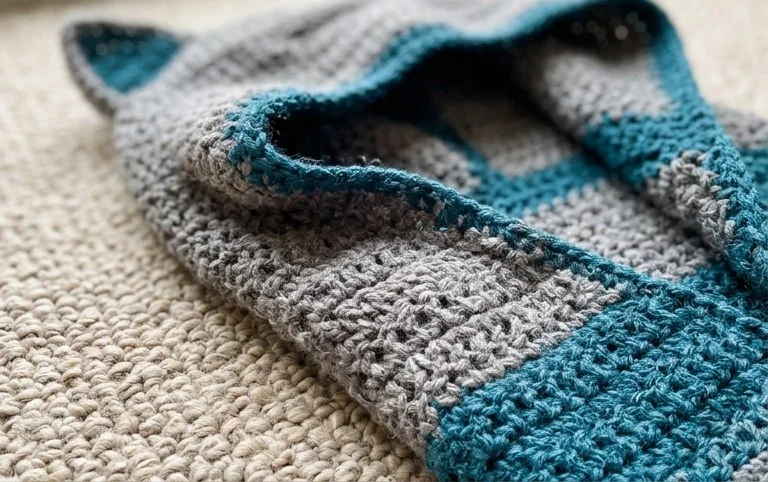
Once the hood, scarf ends, and small cat ears are together, you have a warm piece with plenty of personality and a finish that feels especially satisfying to wear or give. Try it in charcoal, cream, or another favorite shade to change the look without changing the basic construction. A smooth yarn keeps the stitches clear, while a softer, fluffier option gives the finished scoodie a cuddly feel; check that you can still see your stitches as you work. If you make one, share a photo on Pinterest or your social media page so other cat lovers can see your color choice. Then explore more free crochet patterns on the blog for your next cozy project.