10 Cozy Winter Cowl Crochet Patterns: Free Beginner Ideas
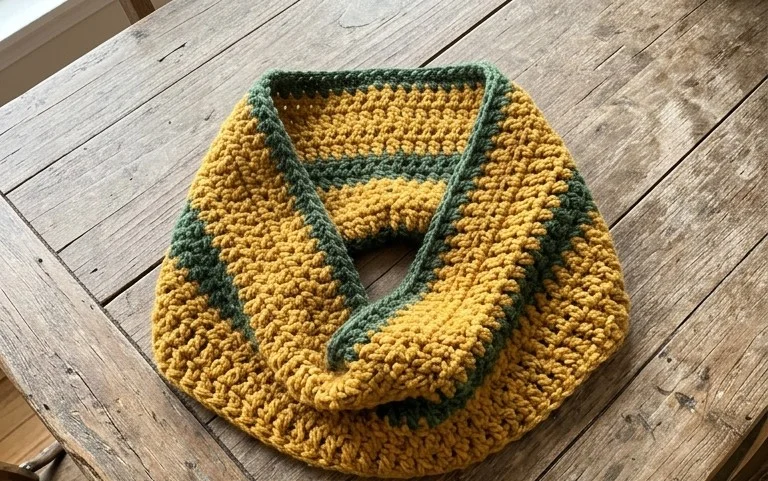
Cold mornings demand a thick, soft layer of yarn pressed against your neck to keep the frost at bay. These cowls provide that necessary warmth through simple stitches that grow quickly under your fingers during a quiet evening on the sofa. Beginners enjoy the repetitive rhythm of the work, while experienced makers appreciate how these items personalize a winter wardrobe without taking weeks to finish. Each design relies on basic techniques that create a dense, squishy fabric capable of blocking biting winds. You will learn how to maintain even tension and join your ends for a seamless, comfortable fit.
Why You’ll Love This Pattern
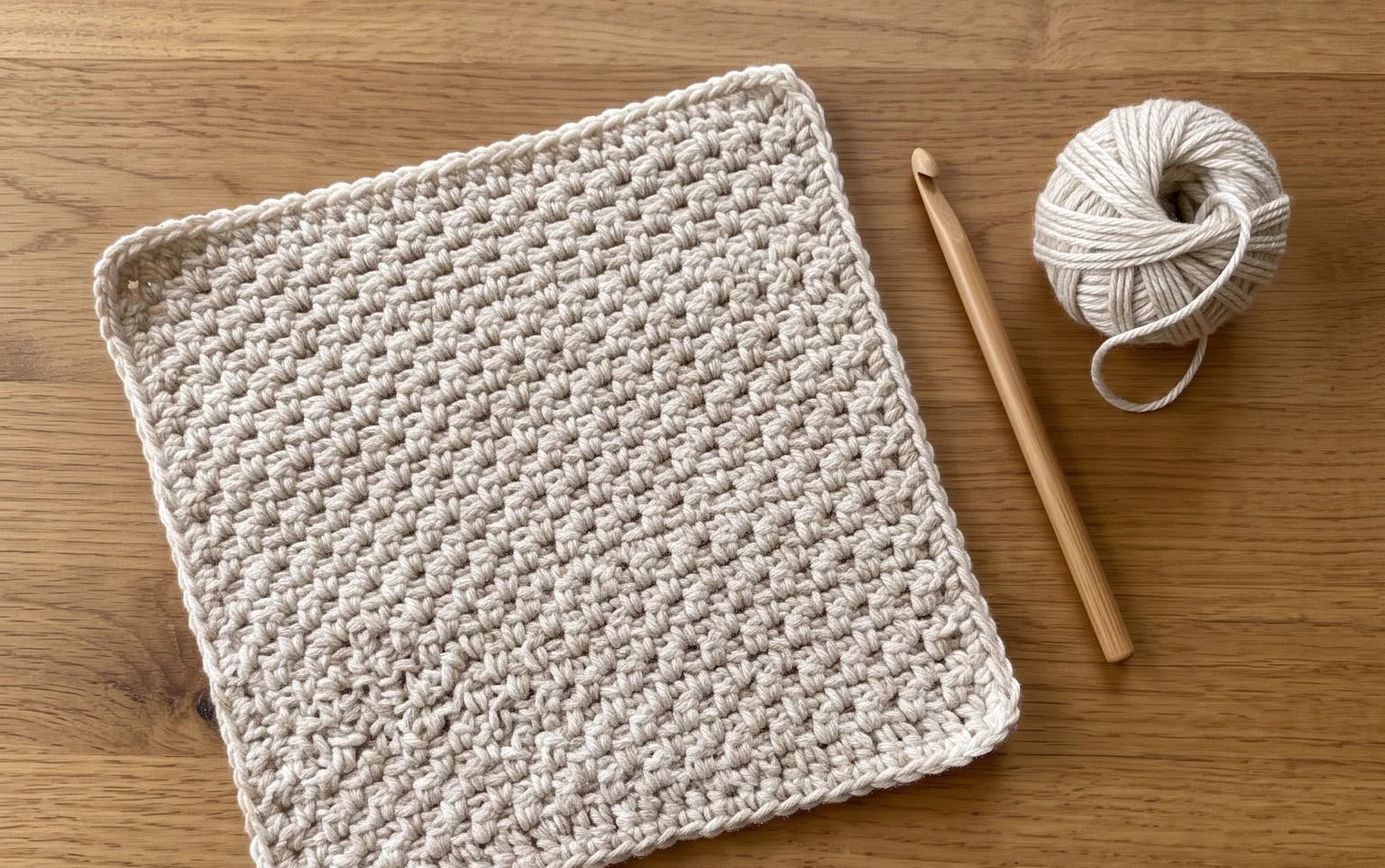
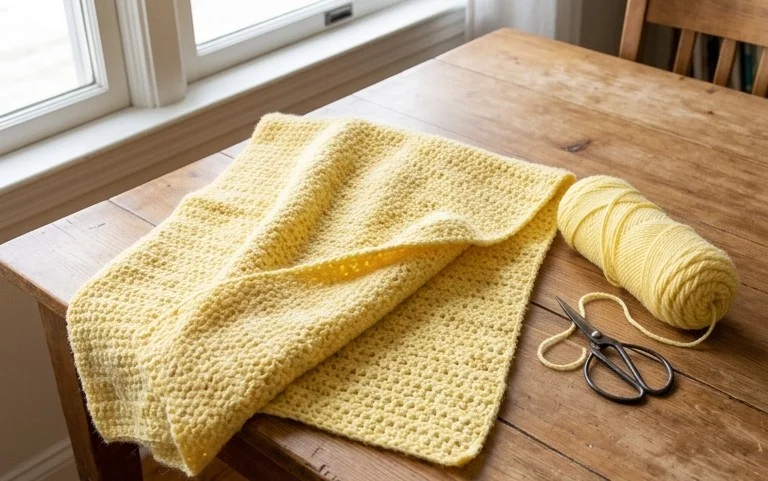
This classic crochet dishcloth relies on the textured grit of the thermal stitch, making it exceptionally effective for scrubbing stubborn pots and pans. Because it uses a dense, double-layered fabric construction, it holds more soap and water than standard single-layer cloths. The project requires only basic chains and single crochets, allowing you to establish a rhythm within the first few rows. You can complete this entire piece in one or two evenings, and the rectangular shape fits comfortably in the palm of your hand for focused scrubbing.
I finally found a pattern that doesn’t get floppy after one use. It stays thick and sturdy even when soaking wet, and the texture really grabs onto stuck-on food during cleanup.
— Sarah, home cook
Pattern Overview & Skill Level
- Skill Level: Beginner
- Approximate Time: 2 hours
- Construction: Worked in flat rows using the thermal stitch method, which creates a folded-over, double-thick fabric without the need for sewing two pieces together.
- Finished Dimensions: 6 inches by 6 inches.
Materials & Supplies Needed
- Yarn: Worsted #4 cotton yarn. Approximately 80 yards. Cotton is necessary for its absorbency and ability to withstand high heat.
- Hook Size: 5.0 mm (H-8).
- Notions: Tapestry needle for weaving in ends, scissors, and a locking stitch marker to track the start of your rows.
- Yarn Substitutions: You can use a cotton-linen blend for increased durability, though it may feel slightly stiffer. Avoid acrylic yarns, as they are not absorbent and will melt if they touch a hot surface.
Stitch Guide & Abbreviations (US Terms)
- ch: chain
- sc: single crochet
- st/sts: stitch/stitches
- BLO: back loop only
- FLO: front loop only
- Thermal Stitch: This technique involves working a single crochet into the back loop of the current row and the remaining front loop of the row below, effectively pulling them together to create a double-thick layer.
Step-by-Step Pattern Instructions
The thermal stitch creates a unique double-thick fabric. You will work a base foundation row, then proceed to work every subsequent row by anchoring the stitch into the row below.
Foundation and Initial Rows
- Row 1: Ch 21. Sc in the second ch from the hook and each ch across. (20 sts). Turn.
- Row 2: Ch 1. Sc in the BLO of the first st and every st across. (20 sts). Turn.
Main Body
- Row 3: Ch 1. Insert hook through the BLO of the current stitch AND the remaining FLO of the row below (the row you just worked into the back loop of). Yarn over and pull through both loops, yarn over and complete a standard single crochet. Repeat this across the row. (20 sts). Turn.
- Rows 4–35: Repeat Row 3 until the piece measures 6 inches in height.
- Final Row: Work a row of slip stitches across the top to close the exposed loops and create a clean, finished edge. Fasten off and weave in your ends securely.
Care & Washing Instructions
- Machine wash on a warm setting (up to 104°F) with similar colors.
- Tumble dry on low heat or hang to air dry to maintain the integrity of the cotton fibers.
- Reshape the cloth by pulling gently on the corners while damp and laying it flat on a towel.
Pro Tips & Common Mistakes to Avoid
Consistent tension is the most important factor in the thermal stitch. If your tension is too tight, the fabric will become rigid and difficult to work; if it is too loose, the stitch definition will disappear. Use a stitch marker on the first stitch of every row to ensure your count stays at exactly 20, as it is easy to accidentally drop the very last stitch of the row. When weaving in your ends, use a duplicate stitch method to bury the tail through the thick internal layers so it remains hidden during heavy use. If you choose to resize this pattern, remember that increasing the width requires more yarn; every additional inch in width will consume roughly 15% more yardage.
Frequently Asked Questions
Can I make this dishcloth larger?
Yes, you can increase the starting chain to your desired width. Keep in mind that for every additional inch you add, you will need a small amount of extra yarn, so ensure you have a full skein available before starting.
Is the thermal stitch difficult for beginners?
While it looks advanced, it is actually quite simple once you locate the correct loops. Practice the first three rows on a small scrap piece of yarn until you feel comfortable identifying the floating loops from the row below.
Can I sell the items made from this pattern?
You are welcome to sell finished items created from this pattern. Please credit the original design to maintain professional standards within the crafting community.
Why is cotton the only recommended fiber?
Cotton is a natural fiber that handles heat well and absorbs water efficiently. Synthetic fibers like acrylic tend to be water-repellent and may melt or lose their structure when exposed to the high heat of a stovetop or hot pans.
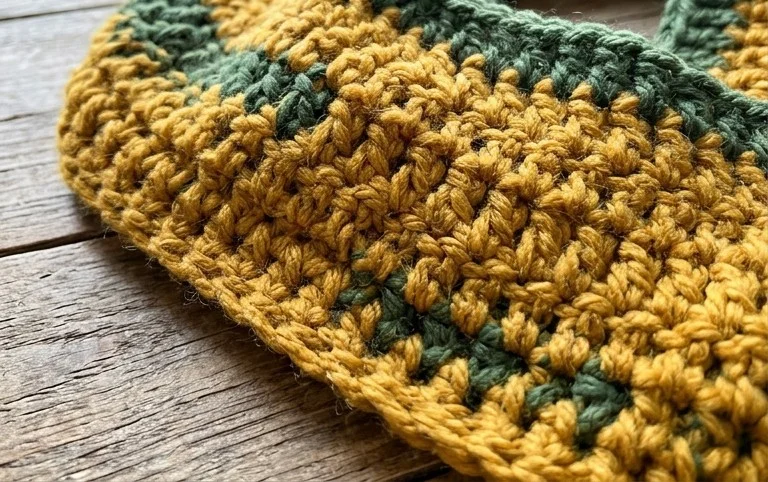
Your new winter accessory provides a snug barrier against the elements and feels gentle against your skin all day. Try swapping the suggested wool for a soft alpaca blend if you want extra loft, or work the pattern in a neutral grey to match every coat in your closet. Post a photo of your finished work on your favorite social feed so others can see your progress. Browse our library of other free patterns on the blog to find your next weekend project and keep your hooks busy.